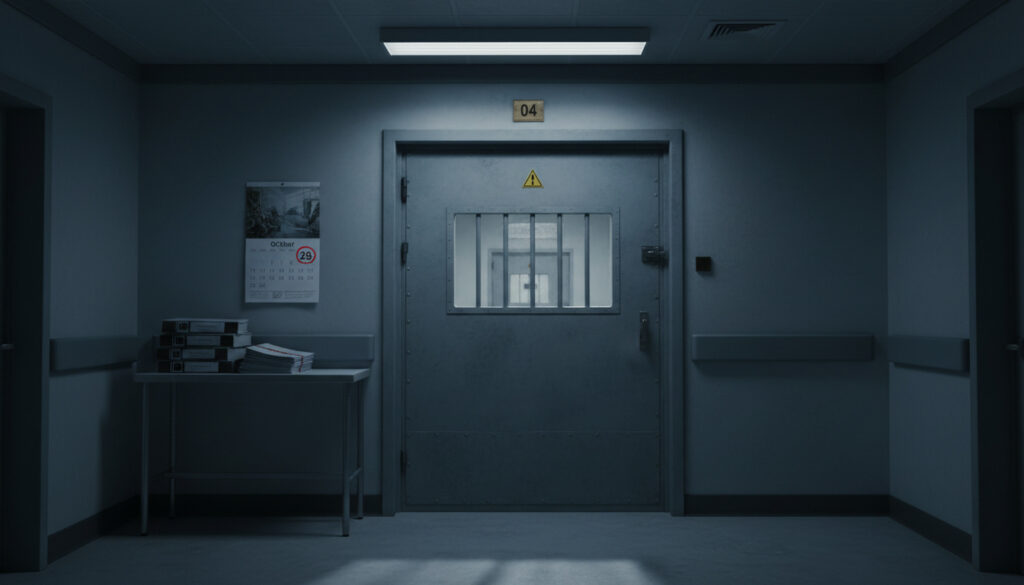
Section 2 Mental Health Act – 28-Day Detention Guide
Section 2 of the Mental Health Act 1983 establishes a fundamental civil power permitting the compulsory detention of individuals in hospital for psychiatric assessment. This legal provision applies when someone exhibits a mental disorder warranting detailed evaluation for their own protection or the safety of others.
The framework requires rigorous procedural safeguards, including dual medical authorisation and independent professional assessment. Unlike treatment-focused sections, Section 2 specifically addresses diagnostic uncertainty, providing a defined period for clinicians to determine appropriate care pathways.
Patients, relatives, and healthcare staff navigating these provisions must understand the strict temporal limits, appeal mechanisms, and statutory rights embedded within this legislation. The process balances therapeutic intervention with fundamental liberties under continuous judicial oversight.
What is Section 2 Mental Health Act detention?
- Authorizes compulsory hospital admission specifically for psychiatric assessment or assessment combined with initial medical treatment.
- Requires two registered medical practitioners and an Approved Mental Health Professional (AMHP) to certify necessity.
- Applies when a mental disorder of sufficient nature or degree warrants detention for the patient’s own health and safety or the protection of others.
- The patient’s Nearest Relative retains the statutory right to initiate admission proceedings independently of the AMHP.
- Treatment may be administered during the assessment period under Part 4 consent regulations.
- The detention period is strictly capped and cannot be renewed under the same section authority.
- Patients maintain statutory rights to appeal through the Mental Health Tribunal system within specific timeframes.
| Aspect | Details |
|---|---|
| Legal Basis | Mental Health Act 1983, Part II |
| Maximum Duration | 28 days from admission |
| Medical Recommendations | 2 required (examined within 14 days, not more than 5 days apart) |
| AMHP Involvement | Mandatory application following patient interview |
| Nearest Relative Role | May apply directly without AMHP |
| Renewable | No |
| Treatment Authority | Part 4 MHA consent rules apply |
| Tribunal Application | Within 14 days of detention |
How long is detention under Section 2 Mental Health Act?
Detention under Section 2 lasts a maximum of 28 days from the date of admission, expiring at midnight on the 28th day unless transitioned to another detention power. This duration represents a hard statutory ceiling established by legislation.gov.uk and confirmed by NHS guidance.
The section cannot be renewed or extended by issuing a fresh Section 2 application. However, brief extensions beyond the 28-day limit may occur specifically for Nearest Relative displacement proceedings or if the patient was absent without leave and subsequently returned. These exceptions maintain legal continuity without constituting a renewal of the assessment power.
The Responsible Clinician (RC) maintains authority to discharge the patient at any point during the 28-day period if the statutory criteria no longer apply. Discharge also occurs automatically when the assessment period concludes without transition to Section 3 or other detention frameworks.
What are police powers under Section 2 Mental Health Act?
Section 136 as a pathway
Police officers do not directly invoke Section 2. Instead, they operate under Section 136 of the Mental Health Act when encountering individuals in public places who appear to suffer from mental disorder requiring immediate care or control. This power authorizes removal to a place of safety—typically a hospital or police station—for up to 24 hours, extendable to 36 hours in specific circumstances, to facilitate assessment by an AMHP and medical practitioners. This assessment may subsequently result in a Section 2 application.
Hospital holding powers
Within hospital settings, clinicians may utilize Section 5(2) (doctor’s holding power) or Section 5(4) (nurse’s holding power) to detain informal patients pending comprehensive assessment. Section 5(2) provides up to 72 hours detention authorised by a registered medical practitioner, while Section 5(4) permits nurses to detain patients for up to 6 hours pending medical review. These interim measures frequently precede formal Section 2 applications.
Section 136 detention in a public place does not guarantee Section 2 admission. The AMHP must conduct a separate assessment determining whether hospital detention represents the most appropriate option, considering less restrictive alternatives before applying for Section 2.
How does discharge work under Section 2 Mental Health Act?
Responsible Clinician and Nearest Relative discharge
The Responsible Clinician retains discretionary power to discharge the patient at any time during the 28-day period if satisfied that the detention criteria no longer apply. Discharge becomes mandatory automatically when the legal grounds cease to exist. The Nearest Relative also possesses statutory discharge rights, though this requires the Responsible Clinician’s consent within 72 hours of notice; the RC may block discharge if specific criteria regarding danger to the patient or others are met.
Mental Health Tribunal process
Patients may apply to the Mental Health Tribunal within the first 14 days of detention. The tribunal must discharge the patient if not satisfied that a mental disorder of a nature or degree warranting detention for assessment or treatment exists, or if detention no longer constitutes the appropriate intervention. This provides independent judicial oversight of the clinical and professional decisions underpinning the admission.
The 14-day window for tribunal applications commences from the date of admission. Missing this deadline removes the right to tribunal review during the Section 2 period, though other discharge mechanisms remain available through the Responsible Clinician or Nearest Relative.
During Section 2 detention, treatment may be administered without patient consent under Part 4 of the Mental Health Act 1983. This authority extends to medication and other medical interventions deemed necessary for the assessment process or the patient’s mental disorder.
What is the Section 2 admission process?
- AMHP Interview: An Approved Mental Health Professional interviews the patient within 14 days prior to application, assessing suitability and exploring least restrictive options.
- Medical Examinations: Two doctors examine the patient within the preceding 14 days, with their examinations occurring no more than 5 days apart, certifying the mental disorder and detention necessity.
- Formal Application: The AMHP submits the application to the hospital managers, having determined that detention represents the most appropriate course of action.
- Hospital Admission: The patient is admitted to the designated hospital, triggering the 28-day assessment period commencing at midnight on the admission date.
- Assessment Period: Clinical teams conduct comprehensive psychiatric evaluation, potentially including medical treatment, to determine diagnosis and care requirements.
- Decision Point: Clinicians decide between discharge, transition to Section 3 for extended treatment, or continued assessment until the statutory deadline.
What is established and uncertain about Section 2 criteria?
- 28-day maximum duration is absolute and non-renewable
- Two medical recommendations are mandatory
- AMHP application is required (unless Nearest Relative applies)
- Tribunal right exists within 14 days of admission
- Detention requires mental disorder of specific nature or degree
- Health/safety or protection of others must justify detention
- Interpretation of “nature or degree” varies between clinical teams
- AMHP availability and response times differ by local authority
- Specific tribunal hearing timelines after application are not fixed
- Transition timing to Section 3 depends on clinical assessment completion
How does Section 2 fit within the Mental Health Act framework?
Section 2 operates as an assessment-focused provision distinct from treatment-oriented sections. While Section 3 provides detention for up to six months specifically for treatment with renewal options, Section 2 limits intervention to 28 days for evaluation purposes. This distinction ensures that patients receive thorough diagnostic assessment before longer-term compulsory treatment commences.
Section 1 offers a more limited emergency power, permitting detention for up to 24 hours (extendable to 36 hours) by a single doctor when immediate assessment is necessary but full Section 2 procedures cannot be completed. Unlike Section 2, Section 1 requires no AMHP involvement and serves strictly as an urgent preliminary measure.
Healthcare professionals, including those eligible for Blue Light Card Discounts – Full Guide for NHS and Frontline Workers, frequently encounter these distinctions when coordinating care between emergency services and psychiatric units.
What do official sources say about Section 2?
Section 2 of the Mental Health Act 1983 allows for the detention of a patient in hospital for up to 28 days for assessment (or assessment followed by medical treatment) if they suffer from a mental disorder warranting such detention in their own interests or for the protection of others.
The AMHP assesses suitability, interviews the patient, and applies if criteria are met, prioritizing least restrictive options.
What are the essential facts about Section 2?
Section 2 provides a strictly time-limited, non-renewable 28-day framework for compulsory psychiatric assessment requiring dual medical certification and AMHP application. It bridges emergency intervention and long-term treatment, offering robust tribunal appeal rights while permitting necessary medical treatment under statutory safeguards. Patients and advocates should note the absolute deadline for tribunal applications and the transition pathways to Section 3 when extended care proves necessary. Those managing physical health alongside mental health conditions may find additional guidance in the Can I Take Paracetamol With Naproxen – NHS Safety Guide & Dosages.
Frequently asked questions
What is Section 1 Mental Health Act?
Section 1 provides emergency detention for up to 24 hours (extendable to 36 hours) by a single doctor for urgent assessment when immediate care is needed but full Section 2 criteria cannot be met. It requires no AMHP involvement.
Can Section 2 be extended beyond 28 days?
No. Section 2 cannot be renewed or extended by another Section 2 application. Brief extensions apply only for Nearest Relative displacement proceedings or if the patient was absent without leave and returned.
What is the difference between Section 2 and Section 3?
Section 2 permits 28 days for assessment only and is non-renewable. Section 3 authorizes up to six months for treatment and is renewable. Section 2 requires uncertainty about diagnosis; Section 3 requires established treatment needs.
Who can discharge a patient from Section 2?
The Responsible Clinician may discharge at any time. The Nearest Relative may discharge with RC consent (which can be blocked). The Mental Health Tribunal may discharge following application within 14 days.
What happens after Section 2 ends?
The patient must be discharged or transitioned to Section 3 if further compulsory treatment is necessary. The RC cannot simply renew Section 2; a new assessment under different statutory grounds is required.
How quickly can a patient appeal Section 2?
Patients may apply to the Mental Health Tribunal within the first 14 days of detention. Applications submitted after this window are not valid for Section 2 appeals, though other discharge routes remain.
Does Section 2 allow forced treatment?
Yes. Part 4 of the Mental Health Act permits compulsory treatment without patient consent during Section 2 detention, including medication and other interventions necessary for assessment or the mental disorder.
More related posts
 Tap and Die Set: How to Use, Choose Sizes, and Avoid Mistakes
 Warm Home Discount Scheme – Eligibility Payments and Application Guide
 Codes for 99 Nights in the Forest: Full List April 2026
 Spartacus House of Ashur – Episodes, Cast, Ratings and Streaming Guide
 Sophie Okonedo: Biography, Ethnicity, Movies, Awards
 How Many Days Until Christmas? 2026 Countdown Explained
 Ramon Tikaram: Ethnicity, EastEnders Role, and Career Highlights
 Night at the Museum: Age Rating, Sequels, Cast & Where to Watch