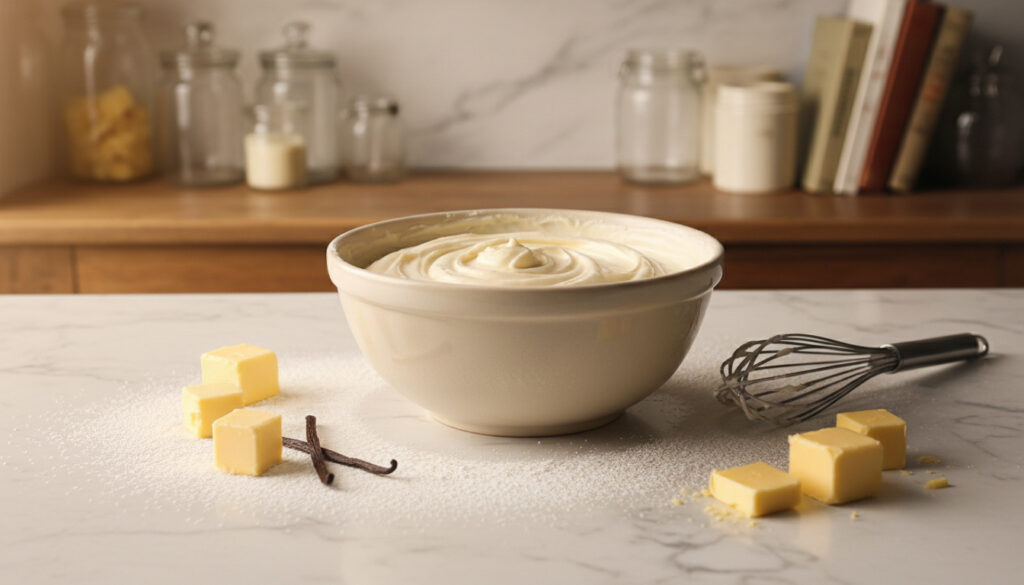
How to Make Icing – Recipes and Pro Tips
Perfect icing transforms simple baked goods into celebration-worthy treats, providing both visual appeal and complementary sweetness. Whether you are frosting a birthday cake or adding a quick glaze to weekday cupcakes, understanding the fundamentals of icing preparation ensures consistent, professional-quality results.
The foundation of most icing recipes begins with icing sugar, also known as powdered or confectioners’ sugar in different regions. This finely ground sugar dissolves instantly upon contact with moisture, creating the smooth texture that distinguishes bakery-style finishes from amateur attempts. Mastering the basic ratios and techniques allows for endless customization through flavorings and colorings.
From buttery American-style frostings to lighter UK alternatives, the method you choose depends largely on your desired consistency and the specific baked good you are decorating. Understanding these distinctions helps prevent common failures such as grainy textures or overly sweet finishes.
How to Make Icing with Icing Sugar
Creating icing from icing sugar requires minimal equipment but benefits enormously from attention to detail. The sugar must be sifted to remove lumps, and liquids added gradually to achieve the specific consistency required for spreading, piping, or glazing.
Simple mixture of icing sugar and milk or water for drizzling over cakes and pastries. Ideal for quick finishes.
Butter beaten with icing sugar and heavy cream creates a fluffy, pipeable frosting perfect for cupcakes.
Uses boiling water instead of cold cream, resulting in a smoother, lighter spread for layer cakes.
Hard-setting mixture using egg whites or meringue powder, traditionally used for detailed cookie and cake decorations.
Essential preparation techniques:
- Sift icing sugar before mixing to eliminate lumps that create grainy textures
- Maintain butter at room temperature (65-67°F) for proper creaming and incorporation
- Add liquid ingredients gradually, one tablespoon at a time, to control final consistency
- Beat butter for one to five minutes until pale and creamy before introducing sugar
- Use a paddle attachment rather than a whisk to minimize air bubbles in the final product
- Store prepared icings refrigerated for up to one week in airtight containers
- Allow chilled icing to return to room temperature before re-whipping for use
| Icing Type | Key Ingredients | Best For | Prep Time |
|---|---|---|---|
| Basic Glaze | Icing sugar, water or milk | Drizzling, dipping cookies | 5 minutes |
| American Buttercream | Butter, icing sugar, heavy cream | Cupcakes, cake decorating | 10 minutes |
| UK-Style Buttercream | Butter, icing sugar, boiling water | Layer cakes, spreading | 10 minutes |
| Chocolate Variation | Butter, icing sugar, melted chocolate | Rich celebration cakes | 15 minutes |
| Pipeable Consistency | Butter, icing sugar, minimal liquid | Detailed decoration work | 12 minutes |
| Thin Filling Consistency | Butter, icing sugar, extra cream | Layer cake fillings | 10 minutes |
How to Make Buttercream Icing
Buttercream represents the most versatile category of icing, serving as both a structural element for layer cakes and a decorative finish for cupcakes. The American and UK methods diverge primarily in their liquid components, with each producing distinct textural results suited to different applications.
Basic Vanilla Buttercream (US-Style)
This recipe yields enough frosting for approximately twelve cupcakes or to coat a single-layer cake. According to Preppy Kitchen and Natasha’s Kitchen, the standard ratio combines one cup (226g) of unsalted room-temperature butter with four to five cups (480-600g) of sifted icing sugar, one-quarter cup of heavy cream or milk, and one to two teaspoons of vanilla extract.
Begin by beating the softened butter—and salt if desired—on medium-high speed for one to five minutes until the mixture appears creamy and pale. Add the sifted icing sugar in batches while mixing on low speed to prevent dust clouds; scrape the bowl thoroughly after each addition. Once incorporated, mix in the vanilla extract and add cream or milk one tablespoon at a time until the frosting achieves fluffy, pipeable soft peaks. Adjust the consistency by adding more sugar to thicken or additional cream to thin.
Use the paddle attachment rather than the whisk when mixing buttercream to minimize incorporation of air bubbles, which can create a porous surface unsuitable for smooth finishing techniques.
UK-Style Buttercream
The British method, documented by BBC Good Food, utilizes 600g of sifted icing sugar combined with 300g of butter and flavorings. Rather than cold cream, this technique incorporates two to three tablespoons of boiling water to loosen the mixture until smooth and spreadable.
Beat the sugar and butter together with your chosen flavorings and colorings until combined. Add the boiling water gradually, checking consistency as you mix, until the icing reaches a smooth texture suitable for piping or spreading over a 20cm cake. Increase the sugar quantity if adding additional liquids such as fruit juice or melted chocolate to maintain structural integrity.
How to Make Icing for Cakes and Cupcakes
Application-specific adjustments ensure your icing performs correctly whether filling layers or piping intricate designs. The same base recipes require modification depending on the end use, particularly regarding consistency and structural stability.
For Layer Cakes
When constructing multi-tiered cakes, icing serves both as adhesive between layers and as a protective crumb coat beneath the final decorative layer. For these applications, a slightly softer consistency proves ideal—thin American buttercream with additional cream or UK-style with slightly more boiling water spreads smoothly without tearing the cake surface. Allow the iced cake to set briefly before applying final decorations.
For Cupcakes
Cupcake frosting typically requires stiffer consistency to hold decorative peaks and swirls. Reduce liquid quantities significantly, adding cream or water only until the buttercream reaches pipeable thickness. Sally’s Baking Addiction recommends ensuring the icing sugar is thoroughly sifted to prevent clogging piping tips, particularly when using small decorative nozzles.
For those seeking Quick Dinner Ideas for 2 – Budget and Healthy Recipes to accompany their baking, planning complementary flavors enhances the overall dining experience.
How to Make Icing Without Icing Sugar and Other Variations
While traditional recipes rely on commercially produced icing sugar, home bakers occasionally seek alternatives due to availability constraints or dietary preferences. However, the research reveals significant limitations in verified alternatives.
Creating Icing Sugar from Granulated Sugar
When icing sugar proves unavailable, process granulated sugar in a high-powered food processor or blender until it reaches a powdery fine consistency. Preppy Kitchen and Two Sisters Crafting confirm this method produces acceptable results, though sifting remains essential to remove any remaining coarse particles before use in frosting recipes.
Water-Based Glacé Icing
The simplest icing variation requires only icing sugar and water or milk, creating a thin glaze suitable for drizzling over cakes or dipping cookies. This method aligns with the UK approach of using boiling water to dissolve the sugar completely, though it lacks the structural integrity required for piping or detailed decoration.
Child-Friendly Adaptations
Standard buttercream recipes contain significant sugar content, which may concern parents of young children. While no specific low-sugar recipes emerged in the research, experienced bakers suggest reducing sugar quantities to four cups rather than five in American buttercream, or emphasizing natural vanilla flavors to enhance perceived sweetness without increasing sugar content. Heavy cream versions often appeal to children due to their enhanced fluffiness.
Verified recipes for icing completely without icing sugar remain unavailable in current research. Attempts to substitute cornflour or other starches for sugar create textural issues not documented in standard baking references.
All buttercream varieties store safely in refrigerated conditions for up to one week. Bring the icing to room temperature and re-whip briefly before use to restore proper consistency.
Step-by-Step Timeline for Perfect Buttercream
Achieving professional-quality buttercream requires attention to timing and sequence. Following this established timeline prevents common failures such as lumpy textures or broken emulsions.
- Preparation (30-60 minutes): Remove butter from refrigeration and allow it to soften at room temperature to approximately 65-67°F. Cold butter will not cream properly; melted butter ruins the emulsion.
- Initial Creaming (1-5 minutes): Beat the softened butter with salt if using, until the mixture becomes noticeably paler and fluffy. This step, emphasized by Two Sisters Crafting, creates the base structure.
- Sugar Incorporation (2-3 minutes): Add sifted icing sugar in batches on low speed to prevent kitchen dust clouds. Scrape the bowl thoroughly between additions to ensure even distribution.
- Liquid Integration (1-2 minutes): Introduce vanilla extract and liquid—whether cream, milk, or boiling water—one tablespoon at a time until reaching desired consistency.
- Final Whipping (1 minute): Increase mixer speed to medium-high for one final minute to incorporate air and achieve fluffy texture, unless using the paddle method for smoother finishes.
- Resting (optional): Refrigerate if not using immediately, then return to room temperature before final application.
Established Techniques and Uncertain Areas
Understanding which methods guarantee results versus those requiring experimentation helps set realistic expectations for home bakers.
Well-Established Information
- Standard ratios of 2:1 sugar to butter by weight produce reliable American buttercream
- Room temperature butter (65-67°F) remains critical for proper emulsion
- Sifting icing sugar prevents clumping and ensures smooth texture
- Boiling water in UK recipes creates distinctively smooth spreadable icing
- Refrigeration extends viability to one week without quality degradation
Uncertain or Unverified Claims
- Alternative thickeners replacing icing sugar entirely lack documented recipe testing
- Precise sugar reduction limits for “kid-friendly” versions vary significantly by brand and personal taste preference
- Specific shelf-life expectations for un-refrigerated buttercream during summer conditions
- Effectiveness of homemade icing sugar compared to commercial grades in humid climates
Understanding Icing Sugar and Regional Differences
Regional terminology creates confusion among bakers, particularly between American and British English. Icing sugar, powdered sugar, and confectioners’ sugar all refer to the same product: granulated sugar ground into a fine powder, typically with added cornstarch to prevent caking.
The distinction between American and UK buttercream methods extends beyond terminology to technique. American recipes favor cold heavy cream for richness and stability, while UK methods utilize boiling water to create lighter, softer spreads. Neither method proves superior universally; rather, each suits different cake styles and personal preferences.
For those monitoring nutritional intake alongside their baking, understanding How Much Protein Should I Eat – Daily Needs by Weight and Goals provides useful context for balancing indulgent treats with dietary requirements.
Expert Techniques and Sources
Professional bakers emphasize technique over complexity. The following approaches represent established best practices from recognized culinary authorities.
Use the paddle attachment to minimize air bubbles; slightly softened butter (not melted) ensures smooth texture.
— Two Sisters Crafting and Handle the Heat
Beat sugar and butter with flavorings; add boiling water to loosen until smooth. Pipe or spread on 20cm cake.
— BBC Good Food
Sift sugar to prevent clumps, especially for piping.
— Preppy Kitchen
Summary: Key Principles for Success
Mastering icing preparation requires attention to temperature, gradual incorporation of ingredients, and appropriate consistency adjustments for your specific application. Whether preparing American buttercream for cupcakes or UK-style icing for celebration cakes, sifting your sugar and respecting butter temperature remain non-negotiable steps. While alternatives to icing sugar remain limited in verified recipes, understanding how to make icing sugar at home provides necessary flexibility. Apply these techniques to your next baking project for professional results.
Frequently Asked Questions
Why does my buttercream taste gritty?
Gritty texture usually results from insufficient sifting of icing sugar or using sugar with larger crystal sizes. Always sift icing sugar before adding to butter, and ensure your homemade icing sugar is processed until extremely fine.
Can I make icing without butter?
While butter provides flavor and structure, some recipes use shortening or cream cheese as alternatives. However, these produce different flavor profiles and textures compared to traditional buttercream.
How do I fix icing that is too runny?
Add additional sifted icing sugar, one quarter-cup at a time, until reaching desired consistency. Chill briefly to firm up before final adjustments.
Can buttercream icing be frozen?
Buttercream freezes well for up to three months in airtight containers. Thaw overnight in the refrigerator, then bring to room temperature and re-whip before use.
Why did my buttercream curdle?
Curdling typically occurs when using cold butter or adding liquid too quickly. Ensure butter reaches 65-67°F and incorporate liquids gradually while beating continuously.
How long can iced cakes sit at room temperature?
Buttercream-covered cakes remain stable at room temperature for two days in cool conditions. Refrigerate if your kitchen exceeds 75°F or if the cake contains perishable fillings.
More related posts
 Estee Lauder Double Wear – Stay-in-Place Foundation Guide
 Night at the Museum: Age Rating, Sequels, Cast & Where to Watch
 Fast and Furious Movies in Order – Correct Watch Order
 Tom Holland: Age, Net Worth, Relationship, and Health
 House of the Dragon Cast: Full List of Actors by Season
 Places to Visit in London: Top Free Spots, Hidden Gems & Must-Sees
 Brittany Snow: Husband Cheating, Leaving Hollywood, Mental Health
 Sky Deutschland RTL Group Acquisition: EU Approval Details