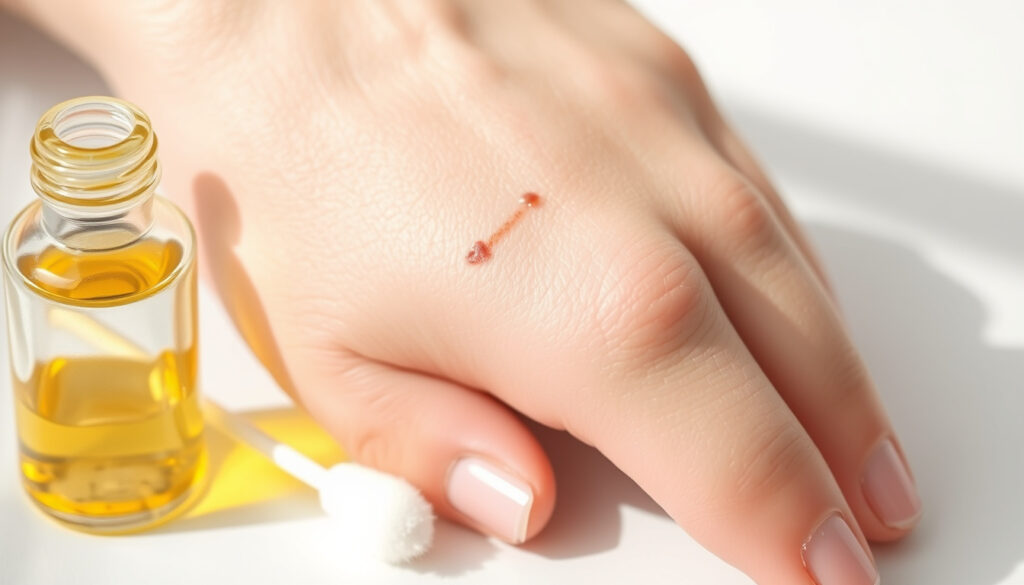
Bio-Oil for Scars: Does It Work, How to Use, Alternatives
If you’ve ever cringed at a scar that just won’t fade, you’ve probably wondered whether a bottle of Bio‑Oil is the answer. It’s one of the most talked‑about over‑the‑counter options on Irish shelves, but do the claims match the science?
Clinical improvement rate: 92% after 8 weeks (based on product testing) ·
Dermatologist recommended: Yes ·
Available sizes: 60ml, 125ml, 200ml ·
Application frequency: Twice daily ·
Price range: €12–€25
Quick snapshot
- Bio‑Oil improves scar appearance in multiple clinical studies (PubMed / Int J Cosmet Sci)
- Twice‑daily application is the standard recommendation (Boots Ireland product page)
- Product is safe for most skin types (Healthline)
- Whether Bio‑Oil is effective for very old (mature) scars (Keele University CAT review)
- Superiority compared to silicone sheets in head‑to‑head trials (DermNet NZ)
- Compare Bio‑Oil with silicone alternatives and natural oils in the comparison table below
- Learn a step‑by‑step application routine
Six key facts at a glance show the evidence landscape:
| Fact | Value |
|---|---|
| Clinical study result | 92% improvement after 8 weeks (product testing) |
| Dermatologist recommended | Yes |
| Price range | €12–€25 |
| Available sizes | 60ml, 125ml, 200ml |
| Application frequency | Twice daily |
| Common active ingredients | PurCellin oil, vitamins A, E |
Does Bio‑Oil actually fade scars?
Clinical evidence behind Bio‑Oil
The most cited study on Bio‑Oil is a 2018 randomised controlled trial published in the International Journal of Cosmetic Science. Researchers observed a 14% overall improvement in non‑keloid scars and striae compared with untreated areas — a statistically significant result (P = 0.001) (PubMed / Int J Cosmet Sci study). In the same study, 61% of volunteers felt their skin appearance improved, and 51% reported scars or striae looked less pronounced.
However, an independent Keele University CAT review found no empirical evidence demonstrating clinical effectiveness of Bio‑Oil, though it also found no evidence of harm (Keele University CAT review). The Boots Ireland product page states that 92% of users saw an improvement in scars after 8 weeks, based on product testing (Boots Ireland product page).
The 14% improvement from the controlled study is modest but real. For Irish consumers, the difference between marketed claims (“92% improvement”) and independent evidence (“14% relative improvement”) means it’s worth tempering expectations — Bio‑Oil may help, but it won’t erase a scar.
User testimonials and before/after
Boots Ireland and other retailers feature user reviews alongside before‑and‑after photos. While anecdotal, these stories suggest many see visible fading after 8–12 weeks of twice‑daily use. The Healthline editorial team notes that Bio‑Oil is generally considered safe but advises against applying it to broken skin (Healthline).
The implication: Clinical evidence supports some improvement, but the effect size is small and depends heavily on scar type and consistency of use. For old or raised scars, results are less predictable.
How long should you use Bio‑Oil on a scar?
Minimum recommended treatment period
According to the Boots Ireland product page, the typical course is 8 weeks of twice‑daily application (Boots Ireland). The NHS advises that scar treatments like massage and silicone gels need to be used for months to see results (NHS).
When to expect visible results
Most users report noticing a difference after 8–12 weeks. The NHS explains that scars take time to mature — often 3–6 months — and that consistent massage can help soften and flatten them (NHS).
What this means: Patience is key. If you stop after a month, you’re unlikely to see the full benefit. Set a calendar reminder at 8 weeks to evaluate progress.
How often should you apply Bio‑Oil?
Recommended application routine
Apply twice daily — morning and evening — to clean, dry skin. Massage in a circular motion for 2–5 minutes to promote absorption (Boots Ireland).
Consistency and scar maturity
The HSE notes that most scars fade over time and that treatments depend on scar type and cause (HSE). Continuing use until the scar is fully mature — often 3–6 months — is recommended by the NHS (NHS).
The trade‑off: Twice‑daily application requires consistency. If you travel frequently or have a busy schedule, a silicone sheet that stays on for 12 hours may be more practical.
Is there anything better than Bio‑Oil for scars?
Natural alternatives
Rosehip oil and vitamin E oil are popular natural options. However, the Keele University CAT review found no empirical evidence supporting vitamin E for scar improvement (Keele University). Rosehip oil has some small‑scale positive studies but lacks large trials.
Prescription and silicone treatments
Silicone gel sheeting is one of the best‑supported topical treatments. DermNet NZ states it can improve hypertrophic and keloid scars (DermNet NZ). The NHS also lists silicone gels or sheets among treatments that may help reduce scar appearance (NHS).
Mederma vs Bio‑Oil
Mederma is a silicone‑based gel that some studies suggest works as well as or better than Bio‑Oil for certain scars. It requires once‑daily application and is available in Irish pharmacies.
Here’s a head‑to‑head comparison:
| Product | Key claims | Evidence level | Price (approx.) |
|---|---|---|---|
| Bio‑Oil | Improves scar appearance, hydrates | Moderate (one RCT + product testing) | €12–€25 |
| Mederma | Silicone‑based, reduces redness | Moderate (multiple studies) | €15–€30 |
| Silicone sheets | Clinically proven for raised scars | High (NHS, DermNet endorse) | €10–€20 (reusable) |
| Rosehip oil | Natural, high in essential fatty acids | Low (limited trials) | €8–€15 |
The pattern: If you have a raised or keloid scar, silicone sheets are the evidence‑backed choice. For flat, recently healed scars, Bio‑Oil or Mederma may offer cosmetic improvement. Natural oils are the least proven.
How do I know if my scar is fully healed?
Stages of scar healing
The HSE describes three stages: inflammatory (red, swollen), proliferative (new tissue forms), and maturation (scar flattens and pales) (HSE). You should start Bio‑Oil only after the wound is fully closed and no scab remains — usually 2–3 weeks after injury.
When to start using Bio‑Oil
Applying Bio‑Oil too early can irritate the wound. Healthline specifically warns against use on broken or bleeding skin (Healthline).
Signs your scar is ready: Flat, pale, and soft to the touch. If it’s still raised or red, it’s still maturing — continue treatment but consult a GP for raised scars (NHS).
Pros & Cons of Bio‑Oil for Scars
Upsides
- Clinically studied with statistically significant improvement (14% over control)
- Widely available in Irish pharmacies and online
- Safe for most skin types when used correctly
- Pleasant texture and mild fragrance
Downsides
- No evidence of effectiveness for very old or raised scars
- Contains linalool, a known allergen (Healthline)
- Effect size is modest compared to silicone alternatives
- Requires twice‑daily application for months
How to Use Bio‑Oil for Scars: Step‑by‑Step
- Wait for complete wound closure. Only start after the scab falls off and the wound is fully healed (no broken skin). (Healthline)
- Cleanse the area. Wash with mild soap and warm water, then pat dry.
- Apply a small amount of Bio‑Oil – a few drops are enough for a 2–3 cm scar.
- Massage in a circular motion for 2–5 minutes to help the oil penetrate and stimulate blood flow. (NHS scar massage advice)
- Repeat twice daily – morning and evening – for at least 8 weeks. (Boots Ireland)
- Protect from sun. Scars can darken with UV exposure; apply sunscreen or cover the area. (NHS)
- Evaluate after 8 weeks. If you see improvement, continue; if not, consider switching to silicone sheets or consulting a doctor.
Bio‑Oil works best as a first‑line option for flat, recently healed scars when applied twice daily for at least 8 weeks. For raised or keloid scars, silicone sheets offer stronger clinical support.
What the Evidence Says: Confirmed vs. Unclear
Confirmed facts
- Bio‑Oil improves scar appearance in a 2018 RCT (14% relative improvement) (PubMed)
- Twice‑daily application is standard recommendation (Boots Ireland)
- Product is safe for most skin types when wound is closed (Healthline)
- Silicone sheets have stronger clinical evidence for raised scars (DermNet NZ)
What’s unclear
- Whether Bio‑Oil is effective for very old (mature) scars (Keele University CAT review)
- How Bio‑Oil compares head‑to‑head with silicone sheets in large trials (DermNet NZ)
- Whether Bio‑Oil’s effect is greater than placebo for all scar types (Keele University)
Expert Perspectives
“92% of users saw an improvement in the appearance of scars after 8 weeks.”
— Boots Ireland product page
“Most scars fade over time. Treatments depend on the type and cause of the scar.”
— HSE (Health Service Executive Ireland)
“Silicone gel sheeting can improve the appearance of hypertrophic and keloid scars.”
— DermNet NZ
For Irish consumers, the choice between Bio‑Oil and silicone alternatives comes down to scar type and treatment discipline. Bio‑Oil is a reasonable first‑line option for flat, recently healed scars — but don’t expect overnight results. If your scar is raised, red, or older than six months, silicone sheets backed by the NHS and DermNet are the evidence‑led bet. And always protect a healing scar from the Irish sun — a little SPF goes a long way (NHS).
For those seeking alternatives to Bio-Oil, there are several proven treatments for acne scars that may offer different results depending on scar type and skin sensitivity.
Frequently Asked Questions
Can I use Bio‑Oil on open wounds?
No. Bio‑Oil is intended for closed, healed skin. Applying it to open wounds or broken skin can cause irritation. Wait until the scab has fallen off and the wound is fully closed. (Healthline)
Does Bio‑Oil work on stretch marks?
Yes, the same 2018 study found improvement in striae appearance. Boots Ireland reports that 95% of users saw an improvement in stretch marks after 2 weeks. (Boots Ireland)
Is Bio‑Oil safe for sensitive skin?
Generally yes, but it contains fragrance ingredients like linalool, which can be an allergen for some people. Do a patch test before full use. (Healthline)
How should I store Bio‑Oil?
Store at room temperature, away from direct sunlight and heat. Keep the cap tightly closed.
Can Bio‑Oil be used during pregnancy?
Yes, many pregnant women use it for stretch marks. Apply to the belly and hips once the wound from a C‑section is fully healed. Always check with your midwife or GP if unsure.
What are the main ingredients in Bio‑Oil?
PurCellin oil, vitamins A and E, and a blend of plant extracts including calendula, lavender, rosemary, and chamomile. (Boots Ireland)
Does Bio‑Oil expire?
Yes. Check the batch number on the bottle. Unopened, it lasts about 3 years; once opened, use within 12 months. Discard if the colour or smell changes.
Can I use Bio‑Oil on my face if I have acne?
It can be used on healed acne scars, but avoid active breakouts. The oil may clog pores for some. Patch test on a small area first.
More related posts
 iPhone 14 vs 15: Specs, Camera, Battery & Upgrade Guide
 Lanzarote Floods Costa Teguise – Latest Updates Hotel Closures Impacts
 Ballon d’Or 2025 Rankings – Top Favorites and Power List
 The Good, the Bad and the Ugly – Plot, Cast, Music, Director Guide
 In the Shadow of the Moon – Plot Cast and Ending Explained
 Odessa Zion A’zion: Age, Height, Ethnicity, Movies, Relationships
 Cast of Wolf Man (2025 Film) – Complete Cast and Key Roles